How to Prevent Ice Dams and Roof Leaks During Our Louisville Winters
Why Ice Dams Are a Problem
In the Louisville area, we’re generally lucky enough to miss the brutal snow and ice storms that are common up north. However, that doesn’t mean we’re free from worrying about freeze-thaw roof issues. Ice dams start out small but can cause big damage to your roof and your home.
Frequent temperature fluctuations and the combination of snow and sun make ice dams unfortunately common. When they go unaddressed, they can result in a leaky roof and damaged ceilings and walls. With knowledge of what signs to look for, however, you can identify issues right away and avoid major damage.
What Ice Dams Are and How They Form
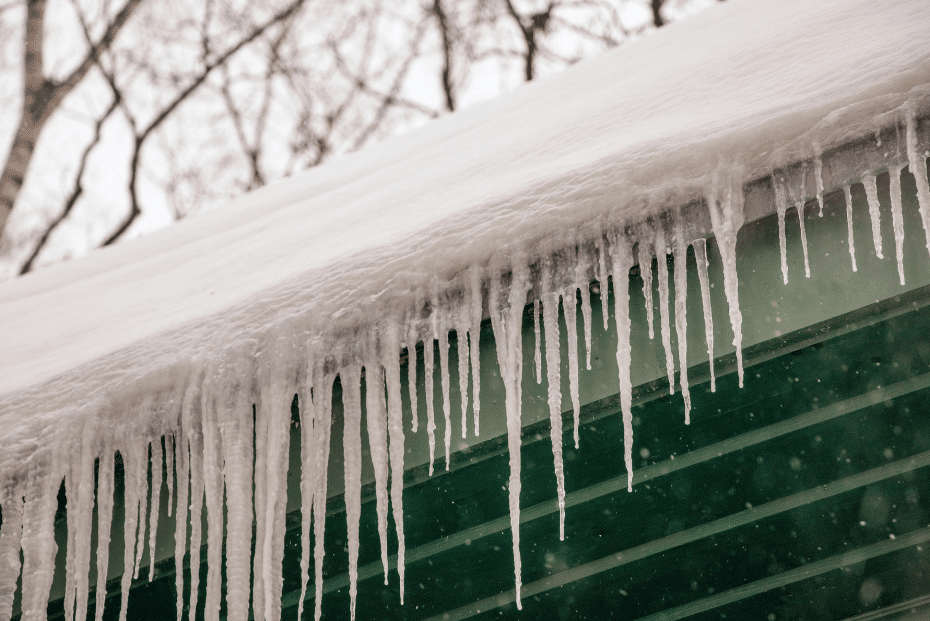
Ice dams are relatively simple to understand. As you might imagine from the name, an ice dam is a buildup of ice that forms on the edge of a roof. These structures block melting snow and ice from properly draining off the roof.
Ice dam formation is slightly more complicated, however. Ice dams are primarily the result of heat loss from a home interacting with below-freezing outdoor temperatures and snow buildup on roofs. Heat loss causes higher portions of the roof to be warmer while lower portions remain below freezing. When the snow in warmer areas melts, it runs down the roof into colder areas where it freezes.
Ice builds up in cold areas, such as the eaves, preventing melted snow from properly draining off the roof. Ice dams often form during freeze-thaw cycles, growing over days or weeks until they become noticeable. Once dammed water accumulates, it can cause leaks and damage the home’s interior.
To prevent winter roof leaks, know the signs of ice dams and keep an eye out for them. Large icicles along the roof edge, water stains on ceilings or walls, and dampness in the attic all indicate ice dams. Addressing the issue promptly is the best way to prevent serious damage.
How Ice Dams Lead to Roof Leaks
Melted snow trapped by an ice dam is just standing water on your roof. When it builds up enough, that standing water seeps beneath the shingles courses and into the home. Shingles are designed for water to flow downward, so when water begins to build upward instead, it causes an issue.
The longer a roof leak goes unaddressed, the greater the damage. Attic insulation that becomes wet clumps and loses effectiveness, increasing the likelihood of further ice dams. Wooden decking that repeatedly comes into contact with moisture will eventually rot and lose structural integrity. And heavy ice buildup can pull gutters away from the roof edge, creating new entry points for water.
As this damage occurs, it creates a perfect environment for mold to grow. Dark, damp, insulated spaces – like a leaking attic – are just what mold likes. Growing mold in the home can lead to serious health issues in addition to structural damage.
How Homeowners Can Prevent Ice Dams
Ice dams aren’t an inevitable winter roofing problem. They’re a symptom of insulation and ventilation issues, and proper preventative maintenance is the key to avoiding them.
One strategy to reduce the likelihood of ice dams is to limit heat loss from the roof. Attics are a common culprit of heat loss, but proper insulation helps keep your home warm and your roof cold. In Louisville, new homes must use insulation with an R-value of at least 38 in ceilings or attics.
Effective ventilation is another solution to ice dams. Well-ventilated attics have continuous airflow below the roof, which helps keep the roof at a consistent temperature. Cool air should enter through an intake vent while warm, moist air exits through an exhaust vent.
Winter gutter maintenance also helps prevent ice dams. Clogged gutters can cause ice to build up quickly, potentially becoming so heavy that they detach from the roof. Clearing gutters before winter weather arrives helps snowmelt drain off the roof properly.
Heavy snow buildup puts stress on the roof and increases the likelihood of ice dams forming. After a large snowfall, consider clearing the roof. Roof rakes are an effective DIY tool if you clear snow promptly. For large amounts of snow or ice, hire a professional with experience working on a roof in the ice and snow.
Professional Solutions for Ice Dam Prevention in Louisville
For the most effective ice dam prevention, turn to the professionals. Winter roof leaks, especially as snow melts, are signs that your roof may have an ice dam. Expert technicians will get to the bottom of the issue and prevent it from worsening.
To address the root cause of ice dams, have a professional inspect your insulation and ventilation. Sealing gaps and ensuring proper airflow help keep your roof cool despite the warm home below.
In certain cases, heat cables can be an effective solution to ice dams. Professional installers use them to raise roof temperatures or to ensure that water flows off the roof properly.
If you identify any weak points in your roof or want an expert evaluation, Highland Roofing is Louisville’s residential roof repair expert. Investing in repairs early saves you money and protects your home.
Why Winter Prevention Saves Money in the Long Run
When it comes to winter roof protection, an ounce of prevention is truly worth a pound of cure. The costs of preventative roofing maintenance are much lower than the costs of addressing severe damage from a roof leak.
Roofs damaged by ice dams can be massively affected by heavy winter storms. Inclement weather and heavy precipitation can cause serious leaks and necessitate emergency repairs. Regular professional roof evaluation can prevent you from navigating and paying for emergency roof repairs during holiday chaos.
Protecting your roof also means protecting the rest of the home. Damage that starts with a roof leak trickles down to cause interior damage to the home and belongings as well. Ensuring that you’re adequately prepared for winter roof wear and tear reduces interior repair costs.
Finally, regular preventative maintenance extends roof lifespans. Investing in regular maintenance of minor issues like gutter cleaning and missing shingles prevents problems from escalating.
Why Choose Highland Roofing for Winter Protection
Your roof is uniquely affected by our climate, which is why you need a local expert to protect and maintain it. Highland Roofing has the Louisville-local expertise to make the right choices to withstand every season. For over 135 years, we’ve been installing, maintaining, and protecting residential roofing in our hometown.
Highland Roofing contractors are experienced with winter roof issue diagnostics and provide long-term solutions, not band-aids. Our commitment to the best practices, employees, and materials make us the best choice to protect your home this winter.