How to Spot Storm Damage on a Commercial Roof
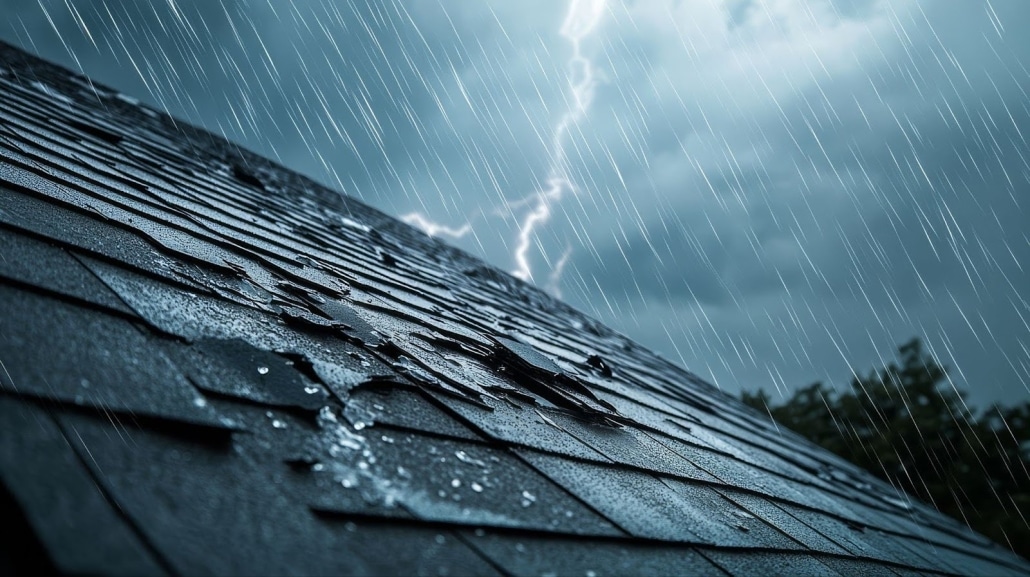
Kentucky thunderstorms can bring high winds, hail, and heavy rain—sometimes within the same afternoon. While a commercial roof may look intact from the ground, a severe storm can leave behind hidden damage that grows worse with every rainfall.
Recognizing commercial roof storm damage early can help you prevent leaks, protect inventory and equipment, and avoid expensive interior repairs. Here’s what Louisville property owners and facility managers should watch for after a storm.
How Do You Know if a Commercial Roof Has Storm Damage?
Common signs of storm damage include roof punctures, displaced roofing materials, loose flashing, broken skylights, standing water, damaged drainage systems, and new leaks inside the building. Some problems appear immediately, while others may take days or weeks to become noticeable.
Check the building’s interior for these warning signs:
- New water stains on ceilings or walls
- Damp insulation or musty odors
- Peeling paint or bubbling drywall
- Water near skylights, vents, or roof penetrations
- Unexplained increases in indoor humidity
- Wet ceiling tiles or active dripping
Outside, inspect the property from a safe location. Look for roofing debris on the ground, loose metal along the roofline, damaged gutters, or bent downspouts.
Never climb onto a wet or damaged commercial roof yourself. Storms can create slick surfaces, weakened decking, and concealed fall hazards.
How Wind Damages Commercial Roofing Systems
Strong winds create pressure around roof edges, corners, flashing, and rooftop equipment. These vulnerable areas often experience damage first.
Wind can lift membrane seams, loosen fasteners, bend flashing, and pull roofing materials away from the building. Once wind creates even a small opening, rain can enter the roofing assembly and soak the insulation below.
Wind damage does not always involve a large section of missing material. A lifted seam or loose edge may look minor but still allow water to spread beneath the roof membrane. Prompt storm damage roof repair can stop that opening from becoming a widespread moisture problem.
What Does Hail Damage Look Like on a Commercial Roof?
The appearance of hail damage depends on the roofing material, hailstone size, wind speed, and angle of impact. On single ply and modified bituminous roofs, hail can cause dents, concentric cracks and punctures. Metal roofing may show visible dimples or damaged paint surfaces.
Hail can also crack skylights, damage vents, and dent gutters or rooftop HVAC components. In some cases, the roof membrane may spring back after impact while the insulation underneath remains crushed.
Because commercial roof issues from hail damage can be difficult to identify from the surface, a trained roofing professional should evaluate the entire system. Small impact points may eventually split during temperature changes, allowing water to enter long after the storm has passed.
How Heavy Rain Affects a Commercial Roof
Heavy rain tests every seam, drain, flashing detail, and roof penetration. If the drainage system cannot move water away quickly, water may collect in low areas.
Standing water adds weight to the roof and can accelerate membrane deterioration. It may also expose problems with clogged drains, poor slope, or compressed insulation. Water that remains on the roof for an extended period can find small openings that lighter rainfall might not reveal.
Check gutters, scuppers, and downspouts for storm debris after conditions become safe. A blocked drainage system can turn an otherwise manageable roofing issue into an emergency.
Should a Commercial Roof Be Inspected After a Storm?
Yes. You should schedule an inspection or a preventive maintenance program after a storm produces hail, high winds, unusually heavy rain, or visible damage around the property. You should also request an inspection if the building develops leaks, ceiling stains, or drainage problems.
A professional commercial roof inspection scheduled promptly by Louisville business owners or facilities managers can uncover damage before water travels through insulation, decking, walls, or electrical systems. An inspection also creates a dated record of the roof’s condition after the weather event. Most roof warranties require these periodic inspections as part of the warranty program. Even when you see no obvious damage, an inspection can provide valuable peace of mind.
Does Insurance Cover Commercial Roof Damage?
Commercial property insurance often covers sudden storm damage caused by events such as wind or hail. However, coverage depends on the policy, deductible, roof age, exclusions, and evidence that the owner maintained the roof properly.
Insurance may not cover damage caused by long-term neglect, existing leaks, or normal wear and tear. That distinction makes documentation especially important.
Take photos of visible damage when you can do so safely. Record the date of the storm and note when you first discovered any leaks or interior damage. Save inspection reports, maintenance records, repair invoices, and communications with your insurer.
A roofing contractor can document the condition of the roof and recommend repairs, but only your insurance company can confirm coverage. Notify the insurer promptly and follow the claims process described in your policy.
Early Repairs Protect Your Roof and Your Budget
A small puncture can soak insulation, deteriorate structural decking, encourage mold growth, and damage the building’s interior. Delaying repairs may also interrupt business operations and make it harder to connect the damage to a specific storm.
Early action gives a contractor the opportunity to isolate the problem and complete targeted repairs before moisture spreads. Regular maintenance and timely inspections can also demonstrate that you took reasonable steps to protect the property.
If a recent Louisville storm may have damaged your commercial roof, contact Highland Roofing. Our team can inspect the roofing system, document problem areas, and recommend the right storm damage roof repair before a manageable issue becomes a costly one.